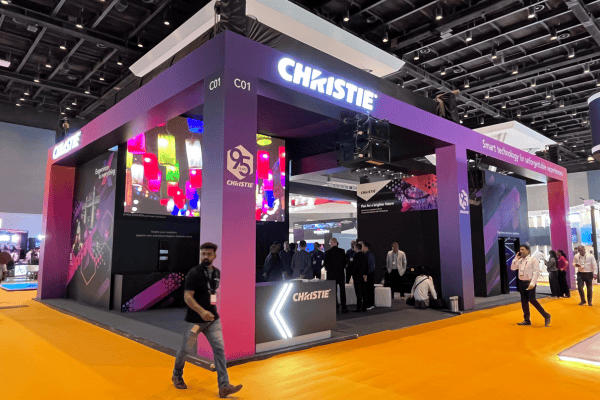
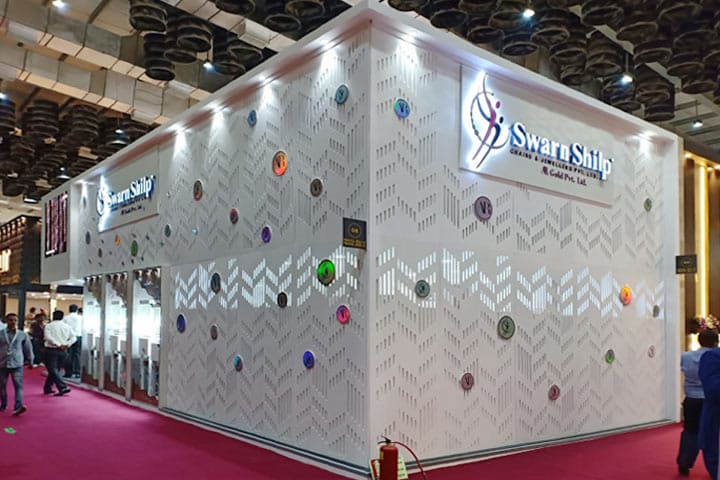

For AV brands, exhibitions are not about brochures. They are about experience.
If you provide LED walls, projection systems, conferencing solutions, control systems, digital signage, immersive audio or integrated AV infrastructure, your audience wants to see and hear your capability.
A static stall cannot communicate what an AV system can do. An interactive demonstration zone can.
This blog breaks down how AV brands can design demonstration areas that are practical, engaging and commercially effective.
Why Demonstration Zones Matter in AV Exhibitions
AV solutions are experiential by nature.
Buyers such as:
- System integrators
- Event production companies
- Corporate IT heads
- Facility managers
- Architects and consultants
do not make decisions based on specs alone. They evaluate clarity, latency, brightness, sound quality, integration capability and ease of control.
An interactive demo zone allows them to experience your solution in real time.
1. Define the Core Use Case First
Before planning the layout, define what you are demonstrating.
Is it:
- A corporate boardroom setup?
- A control room simulation?
- A live event LED wall solution?
- A smart classroom system?
- A digital signage network?
Avoid trying to showcase every product in one space. Focus on 1 or 2 high-impact use cases.
A clear narrative improves understanding.
2. Design the Zone Like a Real Environment
The most effective demo zones replicate real-world scenarios.
For example:
- Build a mini boardroom with integrated displays and video conferencing
- Create a simulated command center with multiple monitoring screens
- Design a compact stage area with dynamic LED backdrops
- Set up a smart retail digital signage wall
When visitors can imagine the solution in their own environment, the sales conversation becomes easier.
3. Prioritise Sound and Light Control
AV demonstrations can quickly become chaotic in exhibition halls.
To ensure impact:
- Control ambient lighting where possible
- Use directional speakers
- Avoid audio overlap with neighbouring stalls
- Plan acoustic panels if necessary
A poorly executed demo can damage brand perception more than not demonstrating at all.
4. Keep Technology Seamless
Nothing reduces credibility faster than technical glitches.
Before the exhibition:
- Test all connections
- Ensure backup systems are available
- Prepare offline demo versions
- Assign a technical expert to monitor performance
Your demonstration zone should reflect reliability and integration strength.
5. Make It Interactive, Not Passive
Instead of only running pre-recorded loops:
- Allow visitors to control the interface
- Demonstrate switching between inputs
- Show real-time video conferencing
- Enable touch-based navigation
Interaction increases engagement time and builds confidence in usability.
When buyers operate the system themselves, trust increases.
6. Structure the Space for Flow
An effective AV demo zone should have:
- A viewing area
- A control explanation area
- A small discussion zone
Avoid crowding the equipment. Visitors should have space to observe without blocking movement.
Clear circulation improves comfort and engagement.
7. Use Clear Technical Signage
While the experience is important, specifications matter.
Include concise panels highlighting:
- Resolution and brightness
- Audio output range
- Integration compatibility
- Network capabilities
- Energy consumption
Engineers and consultants often look for quick technical validation.
8. Create a Scheduled Demo Format
Rather than continuous unstructured demonstrations, consider:
- Short, timed demo sessions
- Announced presentations every 30 minutes
- Guided walkthroughs
Scheduled sessions create anticipation and allow better crowd management.
9. Capture Leads During the Experience
Interactive zones generate high engagement, but lead capture must be structured.
Use:
- QR code scans
- Digital registration tablets
- Demo feedback forms
- Appointment scheduling tools
When engagement is high, conversion potential increases.
10. Reflect Your Brand Identity Clearly
Even in a tech-heavy space, brand clarity matters.
Ensure:
- Your logo is visible from a distance
- Lighting highlights key brand areas
- Messaging is consistent across panels and screens
Visitors should associate the experience with your brand immediately.
Common Mistakes AV Brands Make
- Overloading the stall with too many screens
- Running loud, uncoordinated audio
- Failing to test systems thoroughly
- Creating visually impressive setups without a clear story
- Ignoring the need for private discussion areas
A demonstration zone should feel controlled and intentional.
The Strategic Advantage of Interactive AV Zones
When designed well, interactive demo zones:
- Increase dwell time
- Improve product understanding
- Build technical credibility
- Shorten sales cycles
- Differentiate you from static exhibitors
In the AV industry, performance is the product.
Your exhibition space should not just talk about capability. It should demonstrate it clearly, confidently and seamlessly.
When visitors leave your stall remembering the experience, not just the brochure, your demonstration zone has done its job.