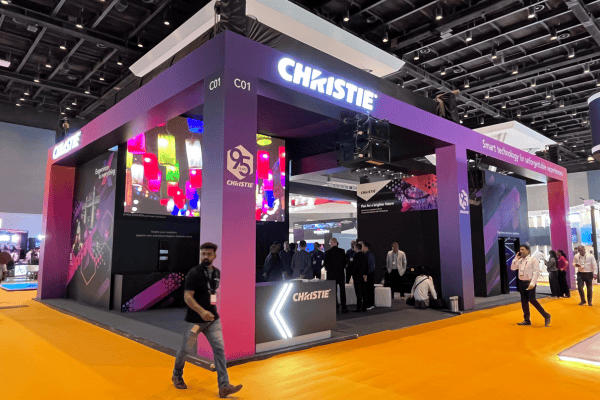
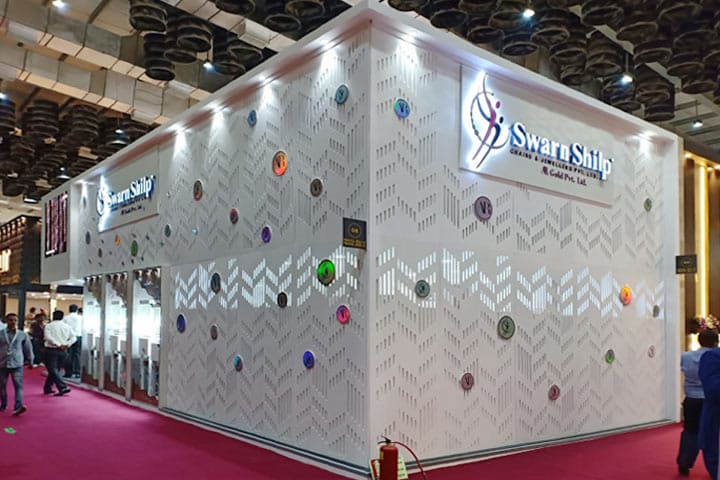
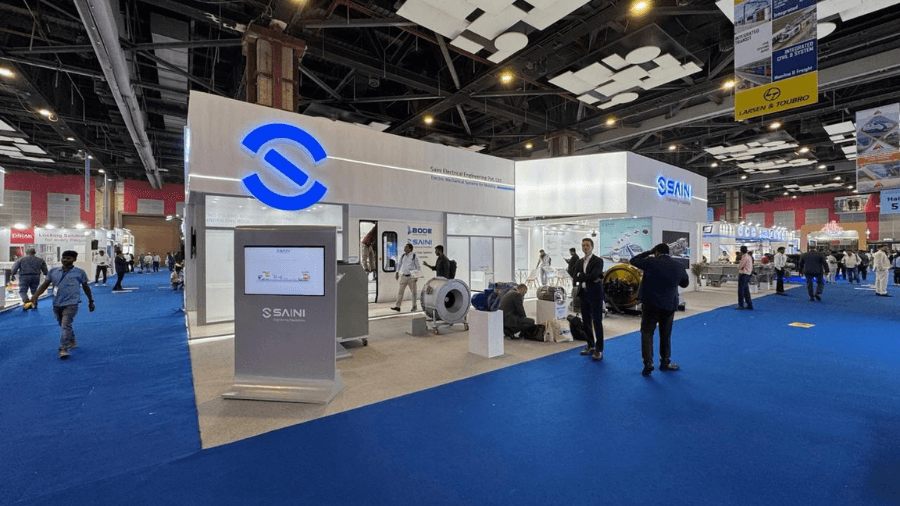
Exhibitions in the rail transportation and infrastructure sector operate very differently from conventional trade shows.
The audience is more specialized. The decision cycles are longer. Conversations are often technical, policy-driven, and high-value.
In many cases, the goal is not immediate sales but building credibility, demonstrating capability, and initiating long-term partnerships.
This changes how exhibition stalls need to be designed.
In this article, we explore how to approach stall design for rail transportation and government-focused exhibitions in a way that supports meaningful engagement, structured communication, and long-term impact.
Understanding the Nature of Rail and Infrastructure Exhibitions
Rail and infrastructure exhibitions typically involve a mix of stakeholders including government bodies, public sector units, EPC contractors, technology providers, and consultants.
Visitors are often looking for:
- Technical depth and clarity
- Proven capabilities and case studies
- Compliance with standards and regulations
- Long-term partnership potential
Unlike consumer-focused exhibitions, these visitors are not drawn in by visual appeal alone. They are evaluating substance.
This means stall design must balance visual structure with informational depth and clarity.
Prioritize Structured Communication Over Visual Clutter
A common mistake in infrastructure exhibitions is overloading the stall with information.
Large panels filled with text, multiple screens playing different content, and excessive branding can overwhelm visitors rather than inform them.
A more effective approach is to:
- Break information into clearly defined sections
- Use concise messaging supported by visuals
- Highlight key capabilities instead of listing everything
The goal is to make it easy for a visitor to understand what the company does within a few seconds, and then explore deeper based on interest.
Create Zones Based on Conversation Stages
Rail and infrastructure discussions are rarely linear. Different visitors come with different levels of intent.
Designing the stall with zones can help accommodate this:
- An entry zone for quick overview and brand introduction
- A technical zone with detailed information, diagrams, or digital displays
- A discussion area for focused conversations and meetings
This zoning allows visitors to engage at their own pace without feeling rushed or overwhelmed.
Use Visual Storytelling for Complex Solutions
Rail infrastructure solutions are often complex and difficult to explain through text alone.
This is where visual storytelling becomes important.
Instead of long descriptions, use:
- Simplified diagrams of systems and processes
- Project timelines and lifecycle visuals
- Before and after representations of completed projects
These formats help translate technical information into something that can be quickly understood.
Highlight Case Studies and Proven Experience
In government and infrastructure exhibitions, credibility is one of the most important factors.
Visitors want to know what has been delivered, where, and at what scale.
This can be communicated through:
- Clearly presented case studies
- Project highlights with measurable outcomes
- Geographic presence and deployment maps
Rather than listing multiple projects, it is often more effective to focus on a few strong examples and present them clearly.
Design for Formal and Informal Interactions
Conversations in this sector can range from quick introductions to detailed technical discussions.
The stall should be able to support both.
This can be achieved by:
- Providing open areas for casual interactions
- Including semi-private spaces for detailed discussions
- Ensuring seating arrangements are comfortable for longer conversations
A well-planned discussion area often becomes one of the most valuable parts of the stall.
Integrate Digital Demonstration Tools
Digital tools can enhance understanding, especially for large-scale infrastructure solutions.
Depending on the offering, this may include:
- Interactive screens with product or system walkthroughs
- Simulation videos or 3D models
- Data dashboards or performance metrics
The focus should be on clarity and usability. Technology should support the conversation, not complicate it.
Ensure Compliance and Professional Presentation
Government-focused exhibitions require a high level of professionalism.
This includes:
- Consistent branding and clean design
- Accurate representation of certifications and standards
- Attention to detail in execution
Small inconsistencies can impact perception, especially when dealing with institutional stakeholders.
Prepare for Pre-Scheduled Meetings
Many interactions in rail exhibitions are pre-planned.
The stall should be designed to accommodate scheduled meetings efficiently.
This involves:
- Clearly identifiable meeting areas
- Minimal noise and distraction
- Easy access for visitors who are arriving with a purpose
A well-organized meeting setup reflects preparedness and professionalism.
Focus on Long-Term Recall
Unlike fast-moving consumer exhibitions, outcomes in infrastructure exhibitions often take time.
The goal is to remain relevant after the event.
This can be supported through:
- Clear and consistent messaging
- Well-designed takeaway materials
- Defined next steps for follow-up
The stall should leave visitors with a clear understanding of the company’s capabilities and how to continue the conversation.
Evaluate Engagement Quality, Not Just Quantity
Success in these exhibitions is not defined by footfall alone.
More meaningful metrics include:
- Number of relevant stakeholder interactions
- Quality of conversations
- Follow-up meetings initiated
- Long-term opportunities generated
This shift in measurement helps align exhibition efforts with business objectives.
Closing Thoughts
Designing stalls for rail transportation and infrastructure exhibitions requires a different approach from traditional trade shows.
The focus is not just on attracting attention, but on enabling clear communication, supporting technical discussions, and building credibility with the right audience.
When stall design aligns with how stakeholders evaluate solutions in this sector, exhibitions become a platform for meaningful engagement rather than just visibility.