Why Most Exhibition Strategies Fail and How to Build One That Actually Drives Business Outcomes
Most exhibition strategies do not fail on execution. They fail much earlier at the planning stage. Not because teams lack effort, but because exhibitions are still treated as logistics-led activities instead of strategic growth channels.
If you are a CMO or marketing head, the real question is not how to participate in an exhibition. It is how to turn exhibitions into a predictable, high-impact revenue channel.
This guide walks you through how to approach exhibitions with that level of intent.
Define the Business Outcome, Not the Event
Before shortlisting any exhibition, you need clarity on one thing: what role does this event play in your overall growth strategy?
Most teams default to broad, non-measurable goals such as visibility, networking, or market presence. These are not outcomes. They are byproducts.
Instead, define clear objectives such as:
- Pipeline contribution targets
- Engagement with specific strategic accounts
- Market entry validation in a new region
- Repositioning of a product or offering
When the outcome is clear, every decision that follows becomes sharper and more aligned.
Choose the Right Exhibition, Not the Biggest One
There is a common assumption that larger exhibitions deliver better results. In reality, scale often dilutes attention, engagement quality, and buyer intent.
A more effective approach is to evaluate exhibitions based on:
- Relevance of the audience, not just size
- Presence of actual decision-makers
- Maturity of the industry segment
- Competitive landscape within the event
The right exhibition is not where everyone is. It is where your buyers are actively evaluating solutions.
Start Early or Do Not Expect Strategic Outcomes
Timing plays a critical role in exhibition success. If planning begins four to six weeks before the event, the outcome is almost always reactive rather than strategic.
High-performing teams typically begin planning at least eight to twelve weeks in advance. For international exhibitions, timelines can extend even further.
Starting early allows you to:
- Secure better booth locations
- Build a stronger and more intentional booth strategy
- Run pre-event campaigns
- Attract higher-quality, pre-qualified visitors
Late planning often results in compromised design, generic messaging, and missed opportunities to engage your audience before the event even begins.
Rethink Booth Design, It Is Not About How It Looks
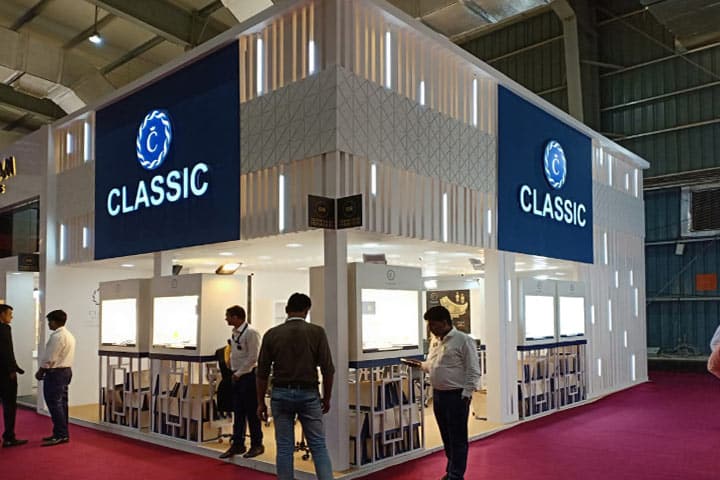
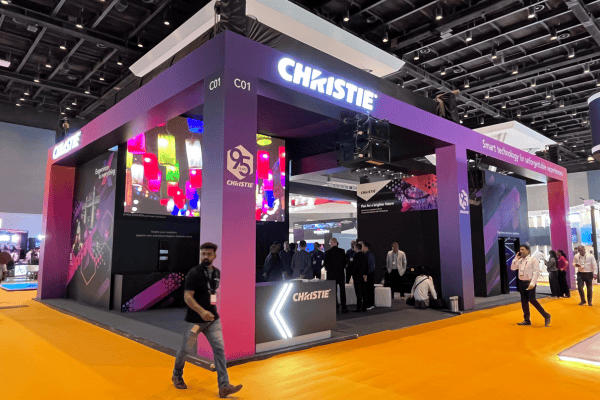
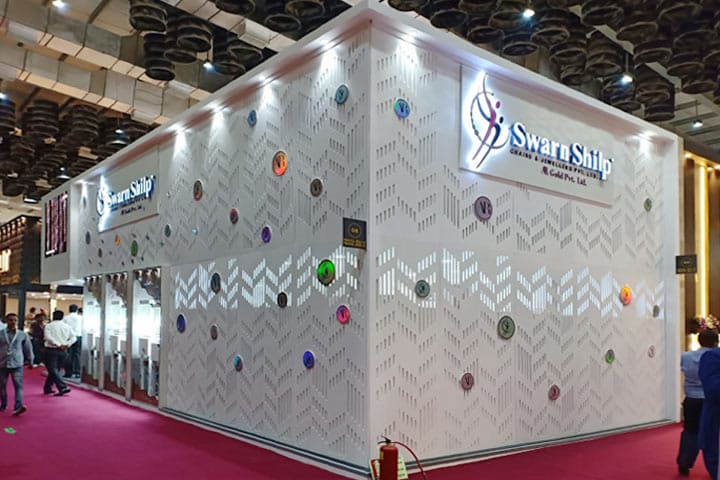
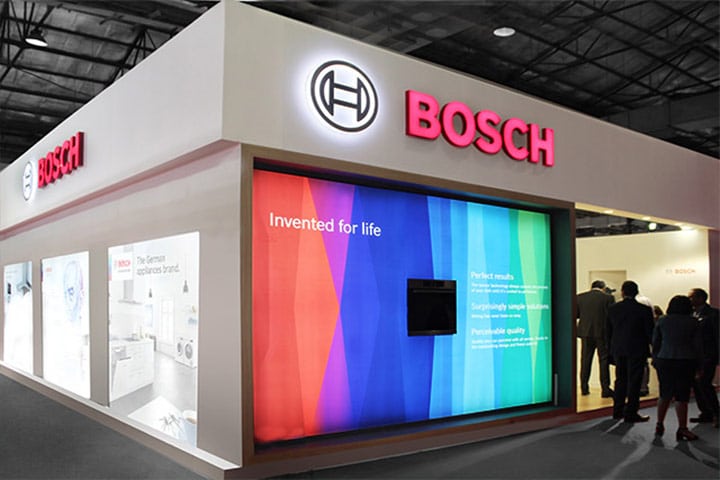
A visually appealing booth is not enough. In fact, many well-designed booths underperform because they are not built for interaction.
Your booth should function as a physical conversion environment. It should guide visitors, structure conversations, and create opportunities for meaningful engagement.
Instead of focusing only on aesthetics, think about:
- How visitors will enter and move through the space
- Where conversations will happen
- How product or solution demonstrations will be experienced
- Whether there is space for deeper, private discussions
Good design attracts attention. Great design drives outcomes.
Build a Pre Event Demand Engine
Exhibitions do not start on the first day of the event. They begin weeks in advance through how effectively you build anticipation and intent.
Many brands still rely heavily on walk-ins and footfall. This approach is unpredictable and limits the quality of interactions.
A more structured approach includes:
- Reaching out to high-value accounts before the event
- Scheduling meetings in advance
- Running targeted campaigns on platforms like LinkedIn
- Sending curated invites to prospects and existing clients
The objective is simple. By the time the event begins, you should already have a pipeline of people who intend to visit your booth.
Align Internal Teams, Marketing and Sales
One of the most overlooked aspects of exhibition planning is internal alignment. Marketing and sales often operate with different priorities, which directly impacts results on the ground.
Marketing tends to focus on branding and experience, while sales is focused on conversations and conversions. Without alignment, both efforts weaken.
Before the event, ensure that:
- There is a shared understanding of target audience and messaging
- Lead qualification criteria are clearly defined
- Booth staff are trained for meaningful engagement
- Success metrics are aligned across teams
An exhibition booth is not just a branding asset. It is a live sales environment.
Plan Post Event Follow Ups Before the Event Begins
The real impact of an exhibition is often determined after it ends. Yet, follow-ups are frequently unstructured and delayed.
To avoid this, build your follow-up plan in advance:
- Define lead categories and segmentation criteria
- Assign ownership for follow-ups before the event
- Create communication templates for different lead types
- Set timelines for outreach
Speed and relevance matter. Following up within 24 hours versus several days later can significantly influence conversion rates.
Where Most Exhibition Strategies Go Wrong
Across industries, similar patterns continue to limit exhibition performance:
- Late planning and rushed execution
- Overemphasis on booth design without strategy
- Lack of pre-event audience building
- Poor alignment between marketing and sales
- Delayed or ineffective follow-ups
Individually, these may seem like minor gaps. Together, they turn exhibitions into expensive visibility exercises rather than meaningful growth drivers.
The Shift From Participation to Performance
Exhibitions are evolving. They are no longer just about presence. They are about performance.
For CMOs and marketing leaders, this shift is critical. Exhibitions offer a rare environment where brand, product, and sales come together in real time, in front of high-intent audiences.
When approached strategically, exhibitions can become one of the most effective channels for driving qualified conversations and accelerating pipeline.
Final Thought
Exhibitions reward clarity, preparation, and intent. They do not reward last-minute execution or surface-level thinking.
When planned strategically, they become a powerful platform where meaningful business outcomes are created, not just brand impressions.