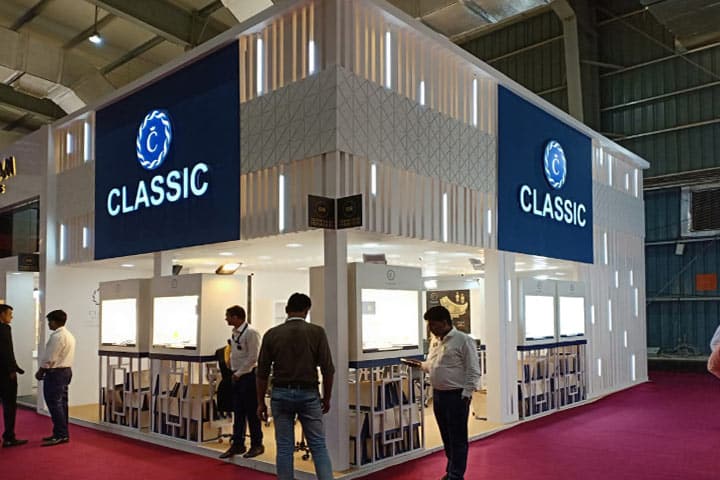
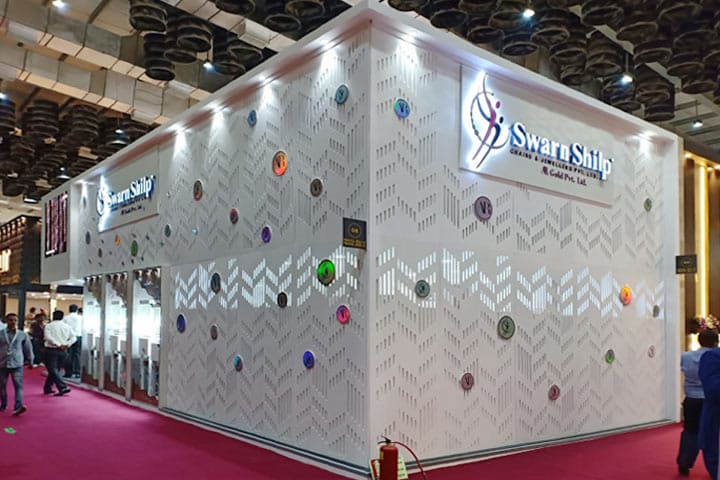
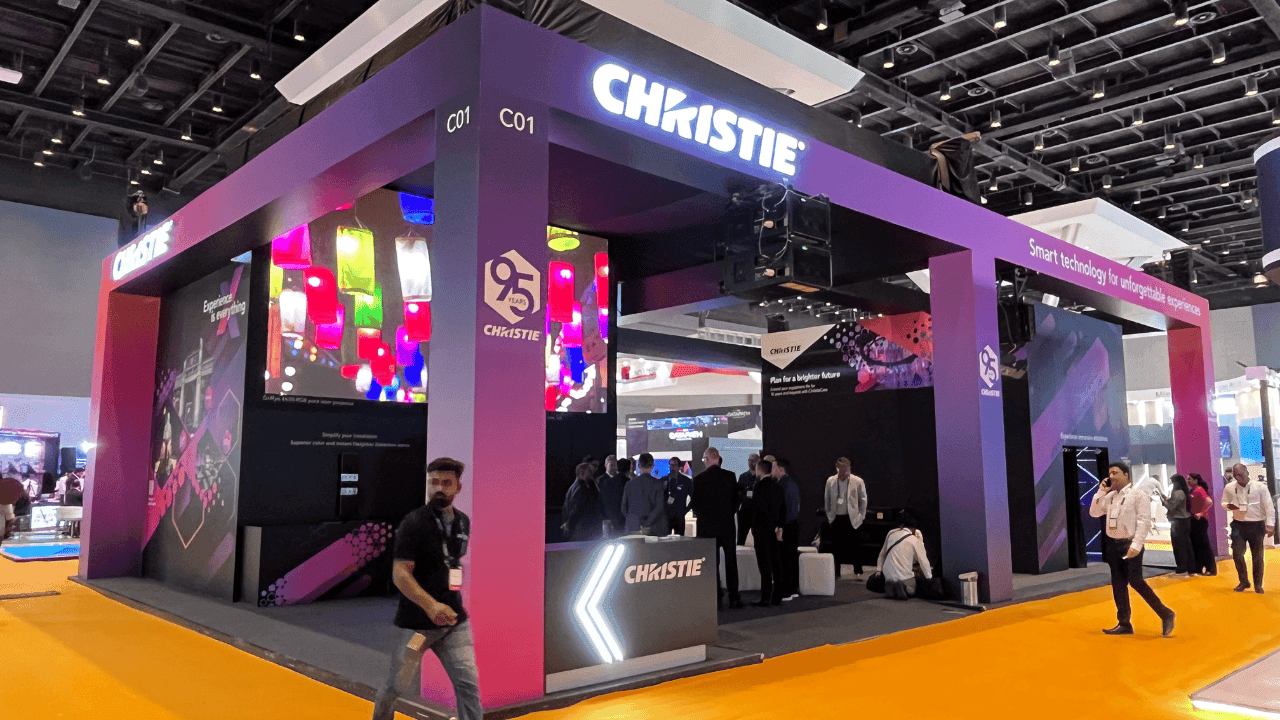
Large companies do not approach exhibitions as one-off marketing activities. They treat them as structured, repeatable growth channels.
The difference is not budget. It is how they think, plan, and execute across timelines.
If you look closely, the strongest exhibition strategies follow a clear system.
It Starts with Business Alignment, Not Event Selection
Large companies do not begin with “which exhibition should we attend.” They begin with “what business objective are we solving.”
Every exhibition is mapped to a specific goal such as:
- Entering a new market
- Accelerating pipeline in a priority region
- Engaging a defined list of key accounts
- Launching or repositioning a product
Only after this clarity do they shortlist events.
This is why their participation feels intentional and not scattered.
They Plan Months in Advance, Not Weeks
One of the biggest differences is timing.
Large companies typically start planning:
- 3 to 6 months before the event
- Even earlier for global exhibitions
This allows them to:
- Secure high-visibility booth locations
- Build a strong design and experience strategy
- Align internal stakeholders early
- Run pre-event campaigns that actually generate meetings
When planning starts late, even large budgets cannot compensate for lost opportunities.
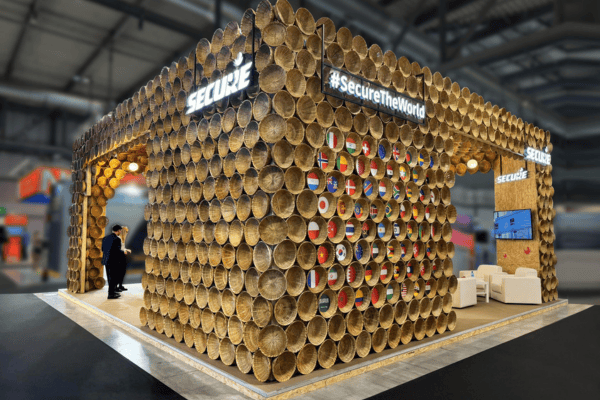
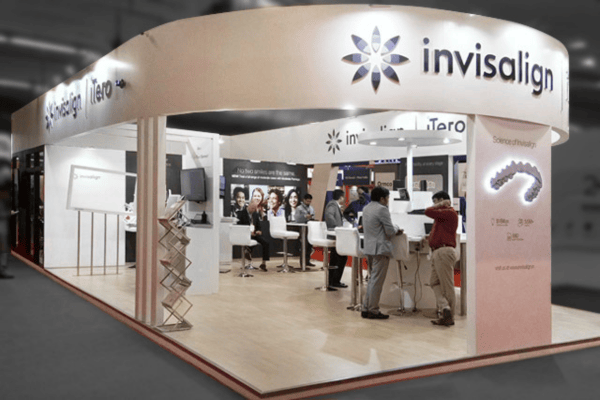
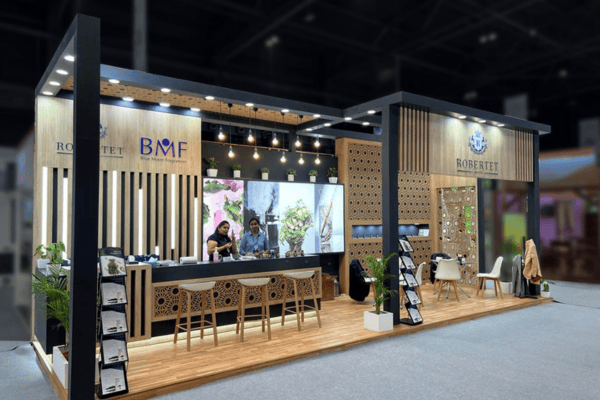
Booth Design Is Treated as a Business Tool, Not a Visual Asset
For high-performing brands, the booth is not just about looking impressive. It is designed to support specific outcomes.
Their booths are structured around:
- Visitor flow and movement
- Interaction zones based on intent
- Product or solution storytelling
- Dedicated spaces for serious conversations
Instead of asking “does this look good,” they ask “does this help us engage the right people in the right way.”
This shift alone dramatically improves performance.
They Build Demand Before the Event Begins
Large companies do not rely on footfall. They create their own audience.
Weeks before the event, they activate:
- Account-based outreach to key prospects
- Pre-scheduled meetings with decision-makers
- Targeted campaigns on platforms like LinkedIn
- Direct invitations to existing clients and warm leads
By the time the event starts, a significant portion of their meetings are already locked in.
This reduces randomness and increases the quality of interactions.
Marketing and Sales Operate as One Team
In most average setups, marketing and sales work in silos. Large companies eliminate this gap.
Before the event, they align on:
- Target audience and priority accounts
- Core messaging and positioning
- Lead qualification criteria
- Conversation frameworks for booth staff
During the event, sales teams are not just present. They are prepared.
They know:
- Who they are meeting
- What conversations they need to have
- What outcomes they are driving
This alignment directly impacts conversion.
They Structure Conversations, Not Just Interactions
Large companies do not leave engagement to chance.
They design how conversations should happen inside the booth.
For example:
- Open areas for quick interactions
- Semi-private zones for deeper discussions
- Private meeting spaces for high-value prospects
Each space serves a purpose.
This ensures that serious conversations are not lost in a crowded, unstructured environment.
They Define Follow-Up Systems Before the Event
One of the biggest reasons exhibitions fail is poor follow-up.
Large companies solve this in advance.
Before the event even begins, they:
- Define lead categories
- Assign ownership for follow-ups
- Prepare communication templates
- Set timelines for outreach
Leads are not just collected. They are processed with intent.
Fast and structured follow-up significantly improves conversion rates.
They Measure What Actually Matters
Instead of focusing only on vanity metrics like footfall, large companies track:
- Number of qualified conversations
- Meetings with target accounts
- Pipeline generated
- Conversion from exhibition leads
This allows them to evaluate exhibitions as a business investment, not just a branding activity.
The Real Difference Is Not Scale, It Is Clarity
From the outside, it often looks like large companies succeed at exhibitions because of bigger budgets.
In reality, the difference lies in:
- Clarity of intent
- Depth of planning
- Alignment across teams
- Consistency in execution
When these elements are in place, exhibitions become predictable growth channels rather than uncertain marketing bets.
Final Thought
Large companies do not attend exhibitions to be present. They participate to perform.
They plan with intent, execute with structure, and follow through with discipline.
That is what turns exhibitions from one-time events into long-term business drivers.