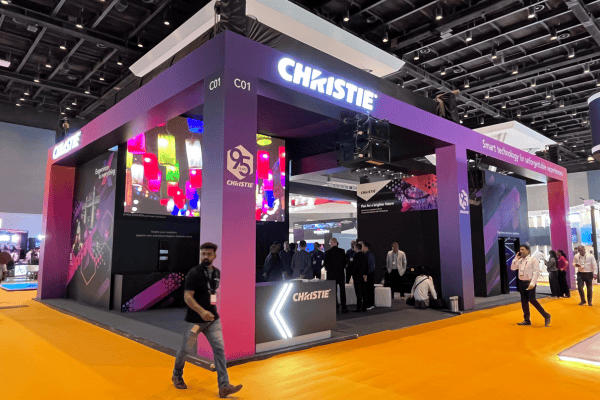
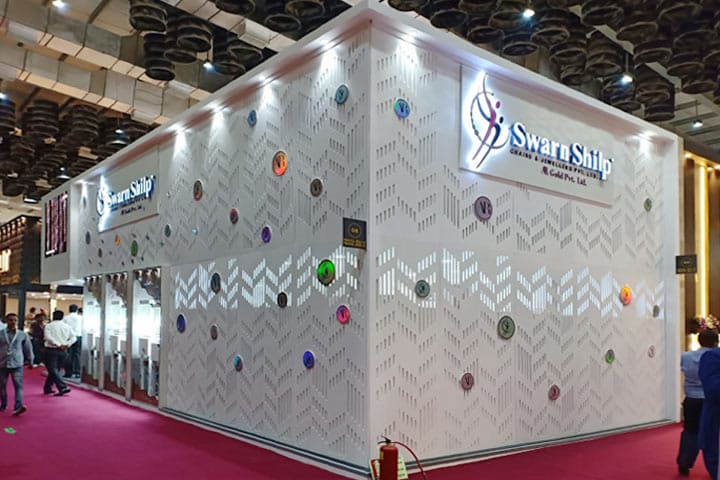
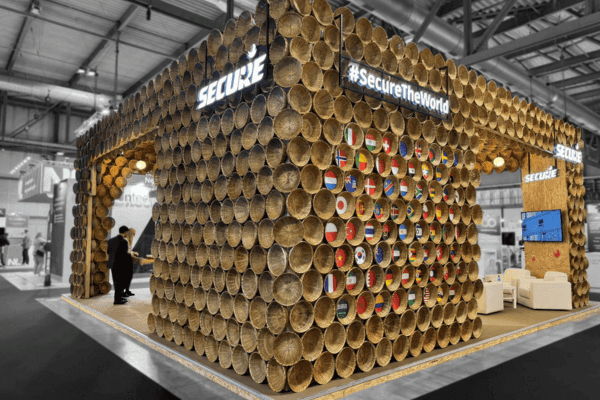
Most exhibition design proposals look impressive on the surface. Clean renders, bold ideas, strong visual appeal.
But evaluating proposals based on visuals alone is where most decisions go wrong.
The real question is not which proposal looks the best. It is which one is most likely to deliver business outcomes.
Here is how to evaluate exhibition design proposals with that lens.
Start with Alignment to Business Objectives
Before reviewing any design, go back to your original goal.
Are you trying to:
- Generate qualified leads
- Engage specific high-value accounts
- Launch or reposition a product
- Enter a new market
Now assess each proposal against that objective.
Does the design support the kind of interactions you need
Does it create the right environment for your target audience
Is it aligned with the level of conversations you want to drive
If a proposal looks good but does not support your objective, it will not perform.
Look Beyond Visuals and Understand the Thinking
Every design decision should have a reason behind it.
A strong proposal will explain:
- Why the layout is structured a certain way
- How visitor movement is expected to flow
- Where different types of interactions will happen
- How the design supports your messaging
If the proposal only shows renders without explaining the thinking, it is incomplete.
Good design is not just seen. It is understood.
Evaluate the Layout Like a Conversion Environment
Your booth is not just a display. It is a live interaction space.
Assess the layout as if you are evaluating a conversion funnel.
Look for:
- Clear entry points that attract visitors
- Defined zones for different engagement levels
- Smooth movement without congestion
- Dedicated spaces for serious conversations
A well-structured layout increases both the quantity and quality of interactions.
Check How the Proposal Supports Real Conversations
Most exhibition outcomes depend on the quality of conversations, not the number of visitors.
Evaluate whether the design enables:
- Quick interactions for passersby
- Deeper discussions for interested prospects
- Private conversations for high-value leads
If everything is happening in one open space, important conversations often get lost.
Assess Practicality and Execution Feasibility
A strong concept is only valuable if it can be executed well.
Look at:
- Material choices and build complexity
- Installation timelines
- On-site feasibility
- Risk factors and dependencies
Ask questions like:
- Can this be built within the given timeline
- How will challenges be handled on-site
- What contingencies are planned
Execution gaps can quickly turn a good design into a stressful experience.
Understand the Partner’s Process Behind the Proposal
The proposal is a reflection of how the partner works.
Evaluate whether they have:
- Taken time to understand your brief
- Asked relevant strategic questions
- Presented a structured approach
- Thought through the entire journey, not just the design
If the proposal feels rushed or generic, the execution is likely to follow the same pattern.
Compare Based on Clarity, Not Just Creativity
When reviewing multiple proposals, it is easy to get drawn toward the most visually striking one.
Instead, compare proposals based on:
- Clarity of thought
- Alignment with objectives
- Practical execution plan
- Depth of understanding
A slightly simpler concept with strong strategic clarity will often outperform a visually complex but loosely thought-out design.
Look for Flexibility and Adaptability
Exhibitions are dynamic environments.
Your design should allow for adjustments based on:
- Crowd flow
- On-ground constraints
- Changing engagement needs
Check whether the proposal has built-in flexibility or if it is too rigid to adapt.
Evaluate Cost in the Context of Value
Cost is important, but it should not be evaluated in isolation.
Instead of asking which proposal is cheapest, ask:
- What value does each proposal deliver
- What risks are associated with lower-cost options
- What trade-offs are being made
A lower-cost design that underperforms is more expensive in the long run.
Common Mistakes to Avoid
When evaluating exhibition design proposals, brands often:
- Focus only on visuals
- Ignore layout and interaction design
- Overlook execution feasibility
- Choose based on cost alone
- Rush the decision-making process
These mistakes usually lead to underwhelming results.
What a Strong Proposal Actually Looks Like
A high-quality exhibition design proposal should:
- Clearly connect design to business objectives
- Explain the thinking behind every major decision
- Show how the space will function, not just how it will look
- Demonstrate execution readiness
- Reflect a deep understanding of your brand and goals
Final Thought
An exhibition design proposal is not just a creative presentation. It is a blueprint for how your brand will engage, interact, and convert in a high-intent environment.
Choose the proposal that thinks beyond visuals and focuses on performance. That is the one most likely to deliver real business impact.