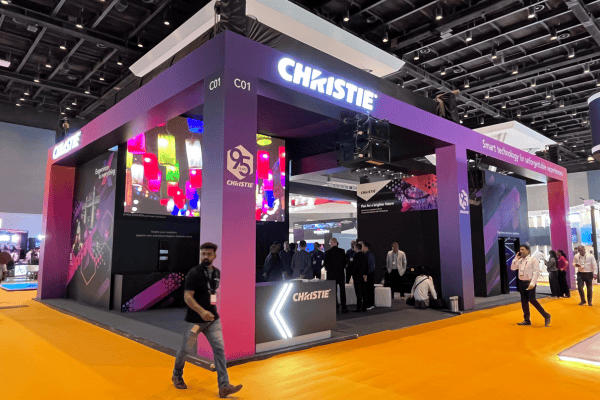
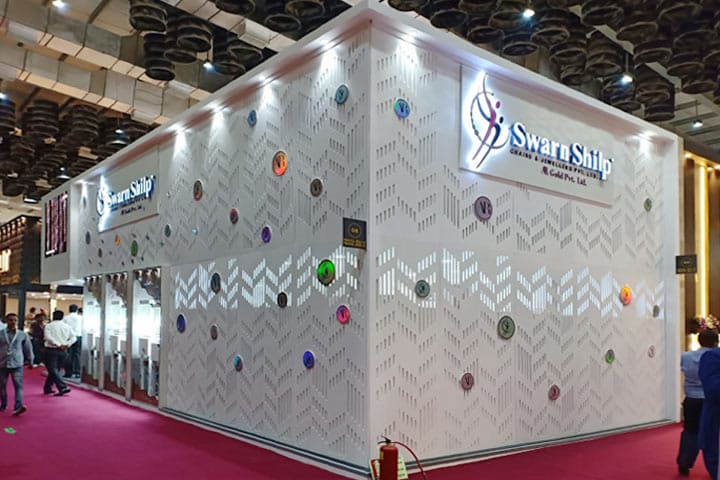
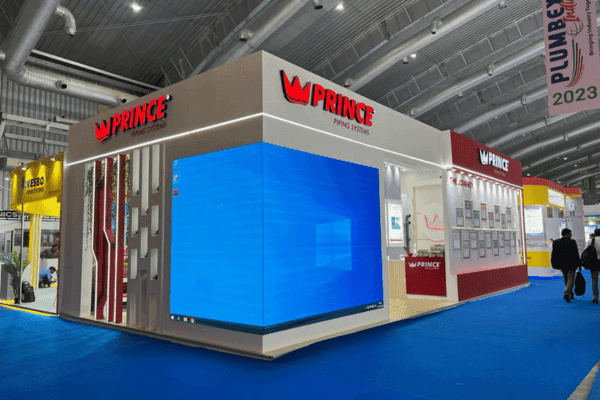
Exhibition spaces are experienced differently by different audiences.
For architects, the experience is rarely passive. It is analytical, spatial, and detail-oriented. They do not just see a stall. They observe how it is structured, how it guides movement, how materials are used, and how space is articulated.
Understanding how architects experience exhibition spaces can help brands design stalls that communicate more effectively with this audience.
This article explores the key aspects that shape how architects engage with exhibition environments.
Architects Observe Space Before Surface
While many visitors are drawn to colors, graphics, and branding, architects tend to notice the underlying spatial structure first.
They look at:
- How the space is organized
- How different elements relate to each other
- Whether the layout feels intentional or improvised
A visually appealing stall may attract attention, but if the spatial planning feels inconsistent, it can reduce credibility in the eyes of an architect.
Movement and Flow Shape the Experience
Architects are highly sensitive to how people move through space.
They observe:
- Entry and exit points
- Circulation paths within the stall
- Areas where movement slows down or gets congested
A well-designed exhibition space allows for smooth transitions between zones. It does not force movement, but it guides it naturally.
When flow is intuitive, the experience feels effortless. When it is not, it becomes noticeable immediately.
Proportion and Scale Influence Perception
Proportion plays an important role in how a space is perceived.
Architects pay attention to:
- The relationship between built elements and open space
- The height and volume of the stall
- The scale of furniture, displays, and structures
Even small inconsistencies in proportion can affect how balanced or cohesive a space feels.
A stall that respects proportion tends to feel more refined and considered.
Materiality Communicates Intent
Materials are not just functional. They communicate intent, quality, and positioning.
Architects notice:
- The choice of materials and their relevance to the brand
- How materials are combined
- The level of finish and detailing
For example, a material that appears visually strong but feels inconsistent on closer inspection can create a disconnect.
Consistency in material use often signals attention to detail and design maturity.
Details Matter More Than They Appear
In exhibition environments, it is easy to focus on larger elements and overlook finer details.
Architects tend to do the opposite.
They observe:
- Joinery and connections
- Edge finishes
- Alignment of panels and structures
- Integration of lighting and fixtures
These details may seem minor, but they contribute significantly to how the overall space is perceived.
Lighting Shapes Spatial Experience
Lighting is not just about visibility. It defines how space is experienced.
Architects evaluate:
- How lighting highlights different areas
- The balance between ambient and focused lighting
- The interaction between light and materials
Well-planned lighting can enhance depth and create hierarchy within the stall. Poor lighting can flatten the space and reduce clarity.
Information Hierarchy Impacts Engagement
Exhibition spaces often need to communicate a large amount of information.
Architects tend to assess how well this information is structured within the space.
They notice:
- Whether key messages are easy to identify
- How information is distributed across the stall
- Whether the visual hierarchy supports understanding
A clear hierarchy helps visitors engage more effectively. Without it, even strong content can get lost.
Spaces for Interaction Are Evaluated Differently
Architects are also attentive to how spaces support interaction.
They look at:
- Whether there are defined areas for conversation
- How comfortable and functional these spaces are
- How they relate to the rest of the layout
A well-integrated interaction space feels like a natural extension of the design rather than an afterthought.
Consistency Builds Credibility
One of the most important aspects architects notice is consistency.
This includes:
- Alignment between concept and execution
- Cohesion in materials, colors, and forms
- Continuity across different elements of the stall
Inconsistencies can break the experience, even if individual elements are well designed.
Consistency, on the other hand, creates a sense of reliability and professionalism.
Experience Beyond the Visual
For architects, the experience of a space goes beyond what is seen.
It includes:
- How intuitive the layout feels
- How comfortable it is to navigate and engage
- How well different elements come together
This holistic experience often determines how memorable and effective the stall is.
Closing Thoughts
Architects experience exhibition spaces through a lens that combines analysis and intuition.
They evaluate not just how a space looks, but how it works, how it is built, and how it feels to move through it.
Designing with this perspective in mind can lead to exhibition spaces that are not only visually appealing but also spatially coherent and functionally effective.
In doing so, brands can create environments that resonate more deeply with an audience that values structure, clarity, and thoughtful design.