A Practical Guide for CEOs, BD Heads & Marketing Leaders
Energy trade fairs are expensive.
Large booths. Heavy equipment logistics. Senior leadership travel. Sponsorships. Technical teams on standby.
And yet, many energy OEMs walk away with a stack of visiting cards and no real pipeline clarity.
The problem is rarely the exhibition. It is the approach.
For energy OEMs operating in turbines, compressors, valves, process systems, automation, EPC support, and industrial equipment, trade fairs can generate high-value, multi-year contracts. But only when treated as structured business development campaigns.
Let’s break down how.
First: Define What “High-Value” Actually Means
Before the event, leadership must answer:
- Are we targeting refinery expansions or maintenance contracts?
- Are we pursuing EPC alliances?
- Are we entering a new geography?
- Are we positioning for energy transition projects?
High-value leads in energy are not random booth visitors. They are:
- Technical procurement heads
- Project directors
- EPC commercial leads
- Plant engineering managers
- Strategy and innovation heads
Stop Measuring Footfall. Start Measuring Conversations That Convert.
Energy OEMs naturally focus on:
- Booth traffic
- Brand visibility
- Product demonstrations
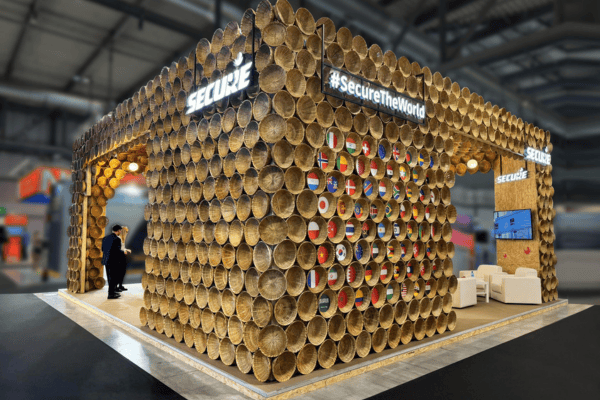
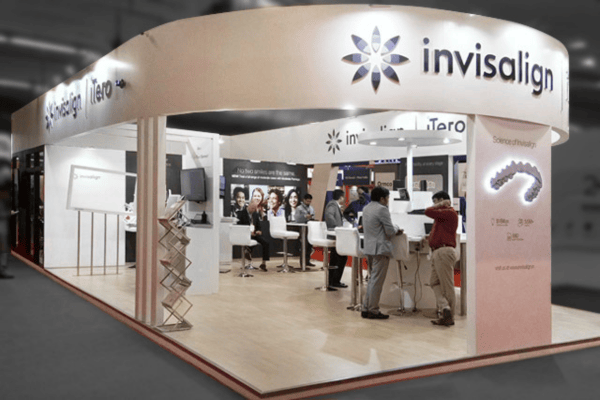
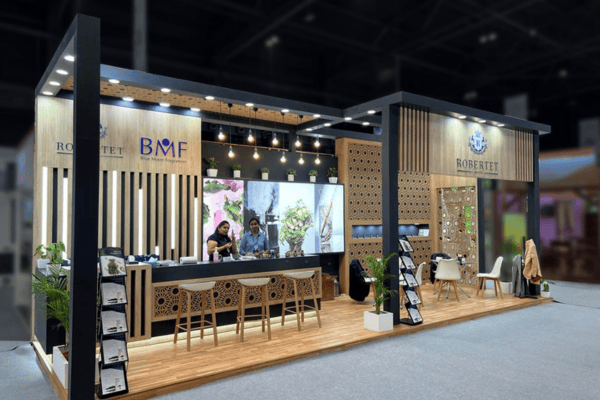
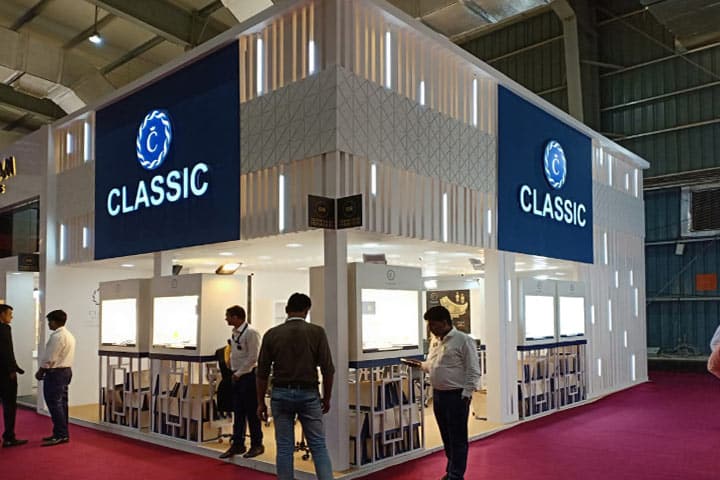
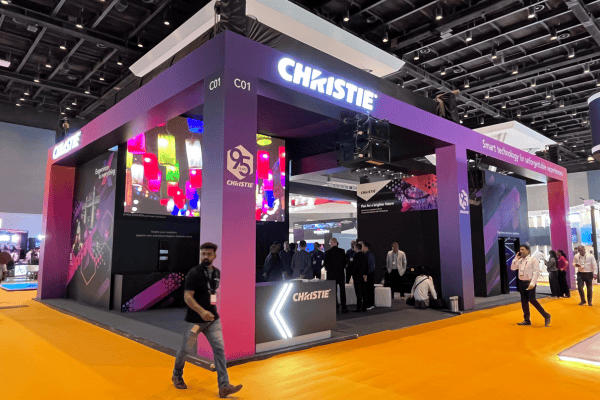
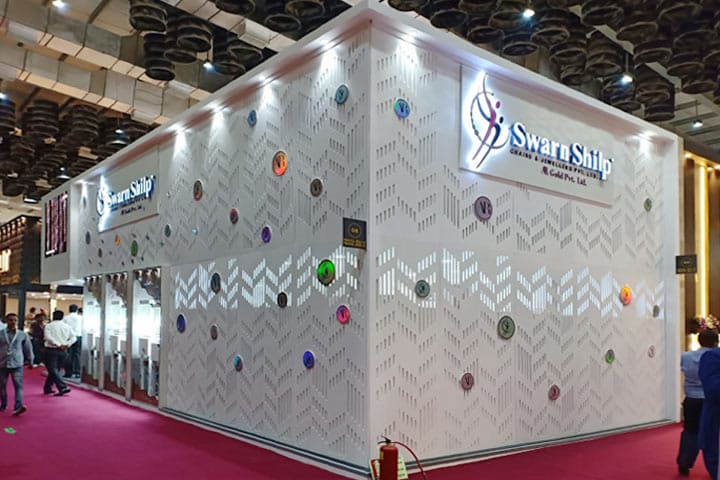
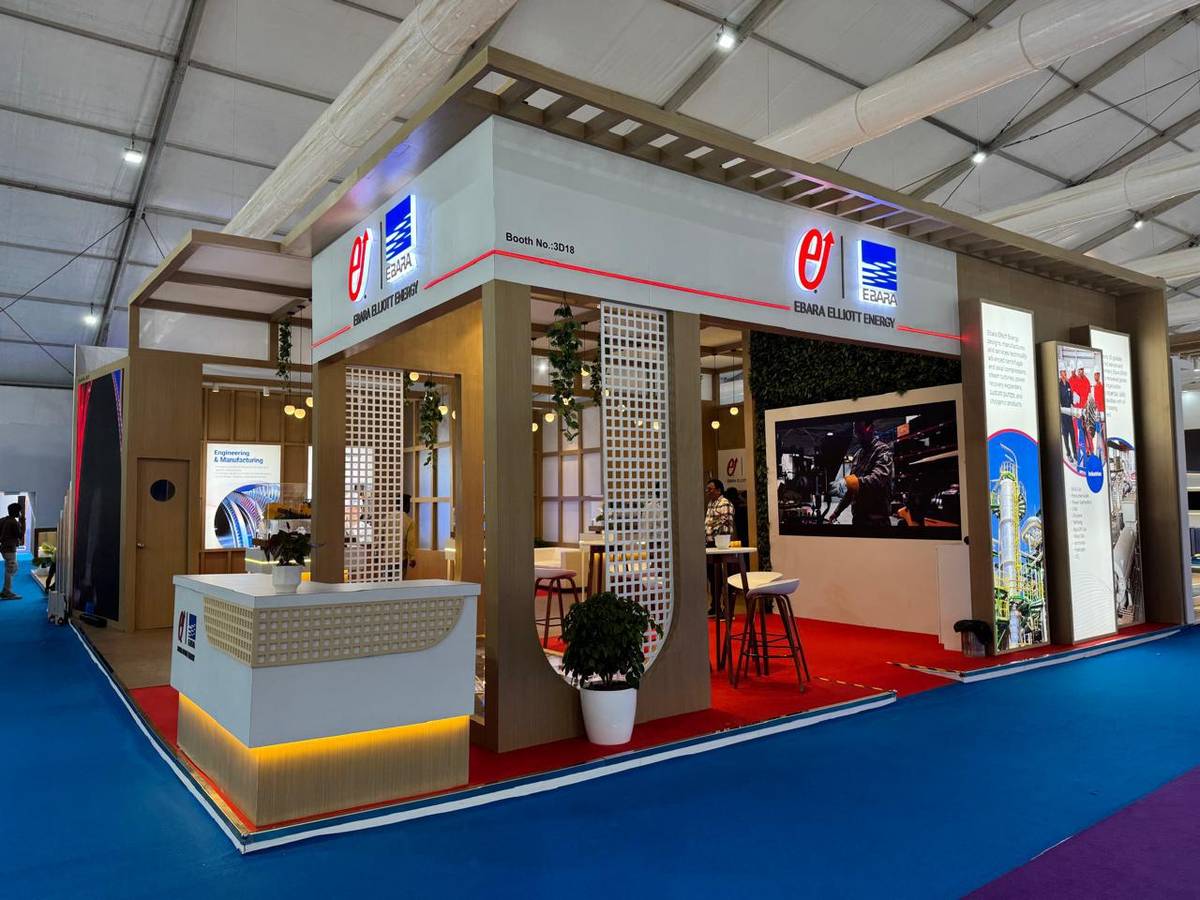
These are essential. A well-designed stall creates the first impression, attracts the right audience, and sets the stage for meaningful engagement.
However, high-value contracts are a success when strong stall presence is combined with:
- Pre-scheduled one-to-one meetings
- Targeted outreach to operators and EPC firms
- Identification of upcoming project pipelines before the show
- Clear mapping of decision-making hierarchies
A professionally designed booth opens the door. Structured engagement turns that opportunity into measurable business outcomes.
Segment Your Target Audience Before the Show
At energy trade fairs, visitors typically fall into four categories:
- Operators
- EPC contractors
- Distributors and regional agents
- Technology partners
Each requires a different conversation.
Operators prioritize reliability and lifecycle value, EPCs focus on integration and commercial flexibility, while distributors seek protected margins and technology partners look for compatibility and co-innovation potential.
If your booth messaging is generic, it speaks to no one clearly.
Build Technical Credibility, Not Just Visual Presence
Energy is a trust-driven industry.
High-value buyers expect:
- Case studies with quantifiable results
- Performance metrics
- Compliance documentation
- Certifications and standards alignment
- Real technical experts available on the booth
Sending only sales teams without technical depth weakens credibility.
Energy buyers test capability quickly.
Use the Exhibition to Surface Future Projects
Trade fairs are not only for immediate deals. They are early intelligence platforms.
Your team should aim to understand:
- Which refinery expansions are planned?
- Which LNG terminals are entering the EPC stage?
- Which grid modernization projects are moving from feasibility to execution?
- Which companies are bidding for new contracts?
Even if procurement cycles are 6 to 24 months away, early engagement positions you inside shortlists.
Prepare a Post-Event Conversion System
This is where most OEMs fail.
Within 48 hours of the exhibition:
- Segment leads by priority
- Assign internal owners
- Send tailored follow-ups
- Schedule technical deep dives
- Enter discussions into CRM
Energy contracts move slowly but conversations must move fast.
The faster you follow up, the more seriously you are perceived.
Think Beyond the Booth
High-value leads often come from:
- Conference sessions
- Closed-door roundtables
- Networking dinners
- Speaker panels
- Private meetings arranged before the show
Sometimes the most valuable conversation happens outside your booth.
What High-Performing Energy OEMs Do Differently
They treat exhibitions as pipeline accelerators, not branding exercises.
They:
- Map project pipelines months in advance
- Identify target companies attending
- Reach out before the show
- Prepare technical case studies tailored to those companies
- Track ROI beyond just lead counts
And most importantly, leadership is involved.
In energy, seniority builds trust.
For energy OEMs, exhibitions can influence multi-million-dollar projects. But only when strategy replaces spontaneity.
At First Rain, we work with energy and oil & gas companies to structure exhibition participation around measurable outcomes.
In capital-intensive sectors, exhibitions are not about visibility. They are about positioning your company inside the right conversations before procurement begins.