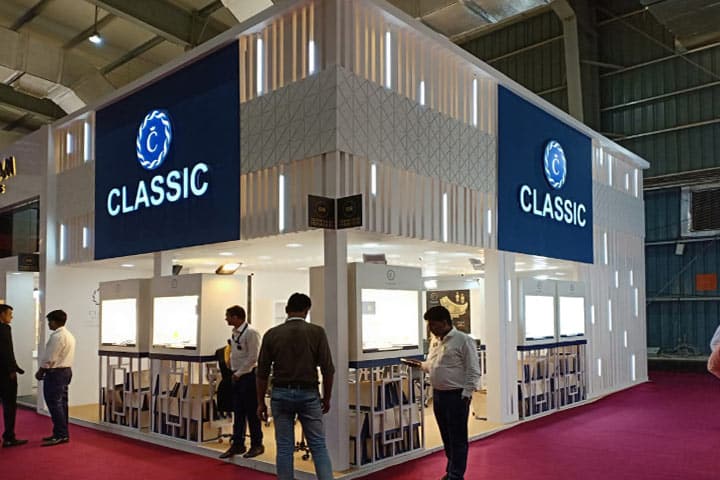
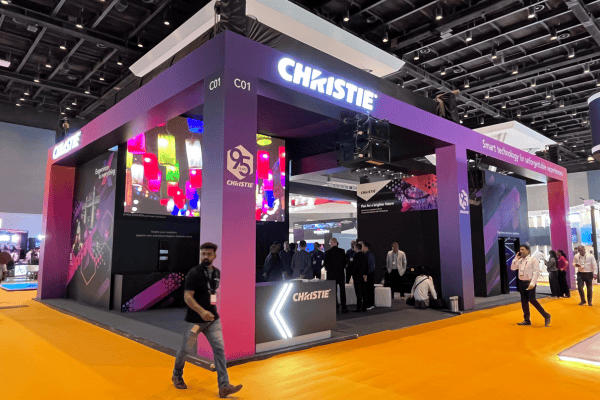
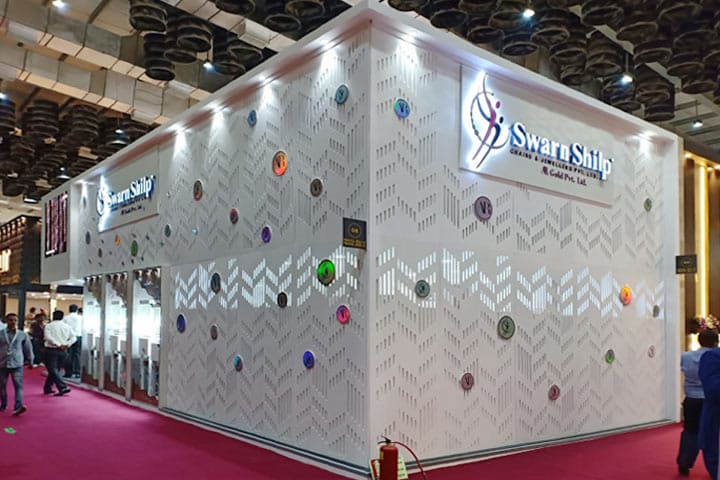
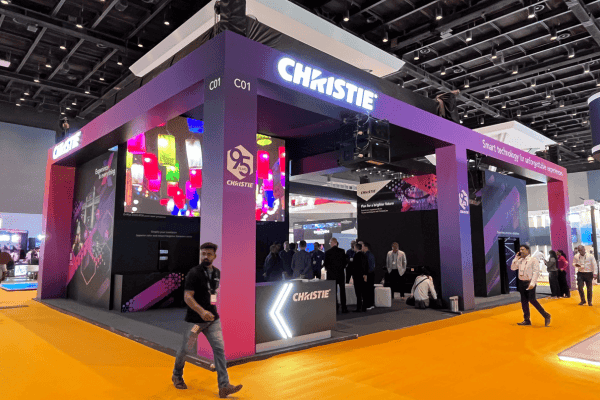
Exhibition halls are busy environments. Hundreds of stalls compete for attention at the same time. Screens are playing videos, presentations are running, lights are flashing, and multiple conversations are happening simultaneously.
In this setting, managing sound and lighting inside your exhibition booth becomes more than a technical detail. It directly affects how visitors experience your brand.
For companies exhibiting AV products, technology solutions, machinery, or other complex offerings, the right balance of sound and lighting can turn a booth into an engaging space for demonstrations and meaningful conversations.
Here are some practical considerations when managing sound and lighting in exhibition booths.
Start With the Experience You Want to Create
Before deciding on speakers, spotlights, or screens, it is important to define the experience you want visitors to have when they enter your stall.
Ask yourself:
- Are you showcasing live demonstrations?
- Do you want visitors to watch a presentation?
- Will there be conversations with potential clients?
- Are you displaying products that need focused lighting?
Different objectives require different sound and lighting strategies. A demonstration-heavy booth will require stronger audio control, while a product display booth will rely more on focused lighting.
Use Lighting to Guide Attention
Lighting plays a powerful role in directing visitor attention.
In a busy exhibition environment, visitors scan stalls quickly. Strategic lighting can highlight the areas you want them to notice first.
For example, lighting can be used to:
- Highlight key products or equipment
- Illuminate display walls and branding panels
- Focus attention on demonstration zones
- Create visual contrast within the booth
Layered lighting works particularly well. This includes ambient lighting for overall brightness and accent lighting to highlight specific products or features.
When used thoughtfully, lighting helps visitors understand where to look and where to engage.
Avoid Overpowering Sound
Sound can attract attention, but too much sound can push visitors away.
Exhibition halls already contain significant background noise. Adding loud music or continuous audio loops can make the booth feel overwhelming.
Instead, focus on controlled and purposeful audio.
Consider:
- Directional speakers that target a specific area
- Headphones for product demonstrations
- Clear presentation audio for small groups
- Short and concise video loops
The goal is to enhance communication rather than compete with surrounding booths.
Design Zones for Demonstration and Discussion
Many exhibition booths serve multiple functions at once. Visitors may be watching a product demo while others are having business conversations.
To manage sound effectively, divide the booth into zones.
Typical zones may include:
- A demonstration or presentation area
- A product display section
- A discussion or meeting space
When these zones are clearly defined, both sound and lighting can be tailored for each activity.
For instance, brighter lighting and controlled audio may be used in the demo area, while softer lighting and quieter surroundings can support private discussions.
Ensure Lighting Supports Product Clarity
For brands showcasing technical products or equipment, lighting must support clarity rather than aesthetics alone.
Visitors should be able to see product details clearly, including textures, components, and interfaces.
This is especially important for industries such as:
- AV technology
- Building materials
- Architectural solutions
- Machinery and equipment
Well-placed spotlights or integrated lighting within display panels can make product features easier to understand.
Plan for the Exhibition Environment
Lighting and sound choices should always consider the larger exhibition hall environment.
Factors such as hall brightness, ceiling height, and nearby stalls can affect how your booth appears and sounds.
For example:
- Bright halls may require stronger accent lighting to highlight displays
- Open booth layouts may need more controlled sound systems
- Demonstration equipment may require additional acoustic planning
Planning for these factors ensures the booth performs well within the overall exhibition setting.
Train Your Team to Use the Technology
Even the best lighting and sound systems are ineffective if the team managing them is unprepared.
Staff should know:
- When to start or stop presentations
- How to adjust audio levels
- How to guide visitors through demonstrations
- How to transition from a presentation to a discussion
Smooth coordination between design, technology, and the booth team creates a more professional visitor experience.
Creating an Engaging Exhibition Environment
Managing sound and light in exhibition booths is ultimately about creating an environment that supports engagement.
When done well, visitors feel comfortable exploring the stall, watching demonstrations, and having meaningful conversations. When done poorly, the booth can feel chaotic or distracting.
A thoughtful balance of lighting and audio helps transform an exhibition stall from a simple display space into an interactive experience.
How First Rain Approaches Sound and Lighting in Exhibition Design
At First Rain, exhibition stall design is approached as a complete environment rather than just a physical structure. Whether the goal is to showcase AV technology, industrial solutions, or architectural materials, the focus remains on creating exhibition spaces that communicate clearly and support meaningful engagement with visitors.