Why This Decision Impacts More Than Just Design
When planning an exhibition booth, one of the most important decisions brands make is whether to go for an open or closed layout.
At first, it may seem like a design preference.
In reality, it directly affects:
- Who enters your booth
- How long they stay
- The kind of conversations you have
- The quality of leads you generate
For B2B exhibitions, where outcomes matter more than footfall, this decision should be strategic, not aesthetic.
Understanding Open Booth Designs
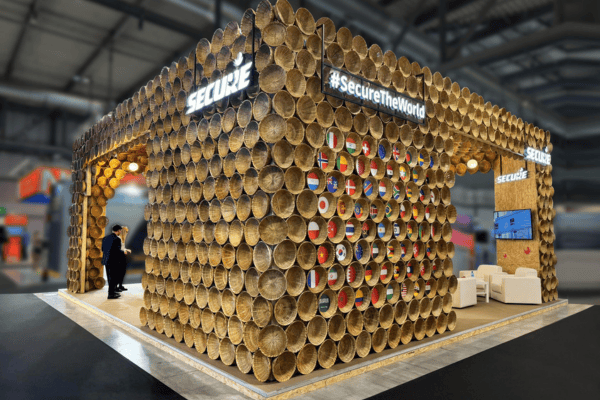
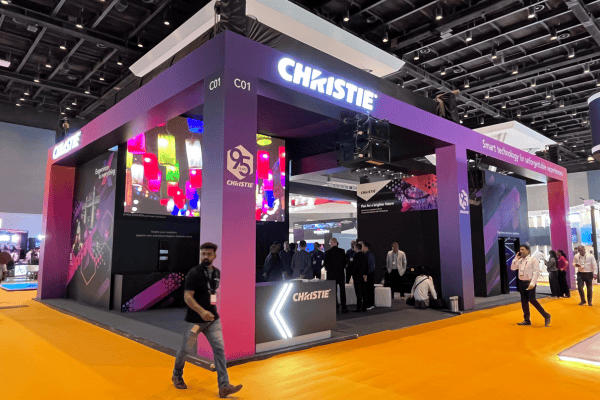
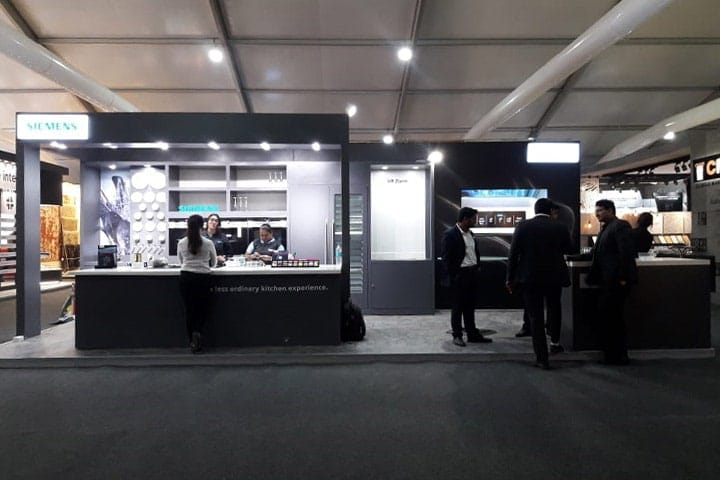
Open booths are designed to be easily accessible from multiple sides.
They typically:
- Have minimal barriers
- Use open layouts
- Allow free movement of visitors
- Focus on visibility and approachability
Where Open Booths Work Well
Open designs are effective when your goal is to:
- Attract higher footfall
- Increase visibility in crowded halls
- Encourage quick interactions
- Create a welcoming first impression
They are especially useful for brands that:
- Are building awareness
- Have visually engaging products
- Want to start more conversations
The Limitation of Open Booths
While open booths attract more people, they also bring in a wider mix of visitors.
This often includes:
- Casual browsers
- Non-decision-makers
- Low-intent visitors
As a result, conversations may be shorter and less focused.
In B2B environments, this can dilute the quality of engagement if not managed properly.
Understanding Closed Booth Designs
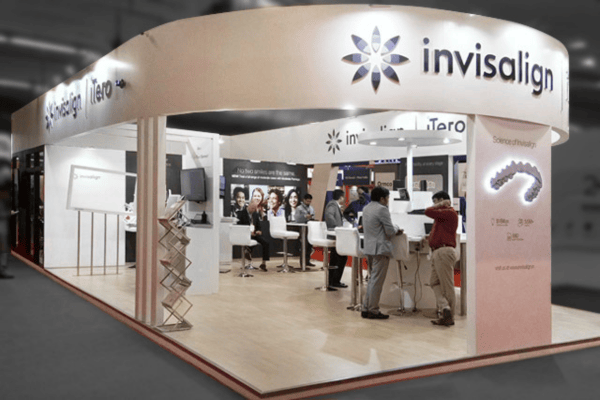
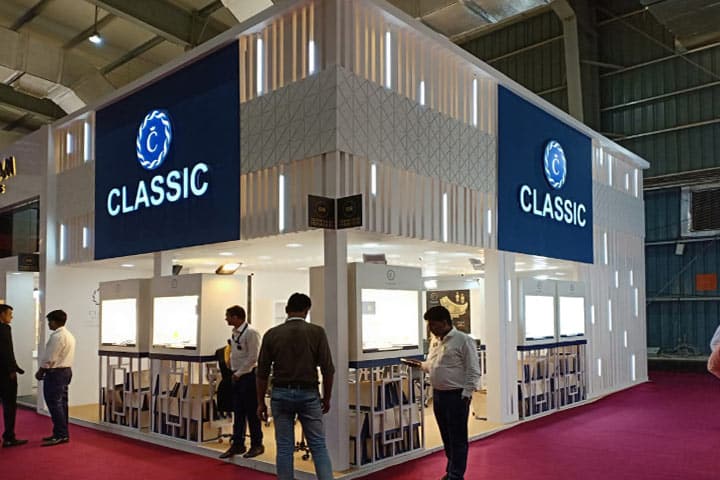
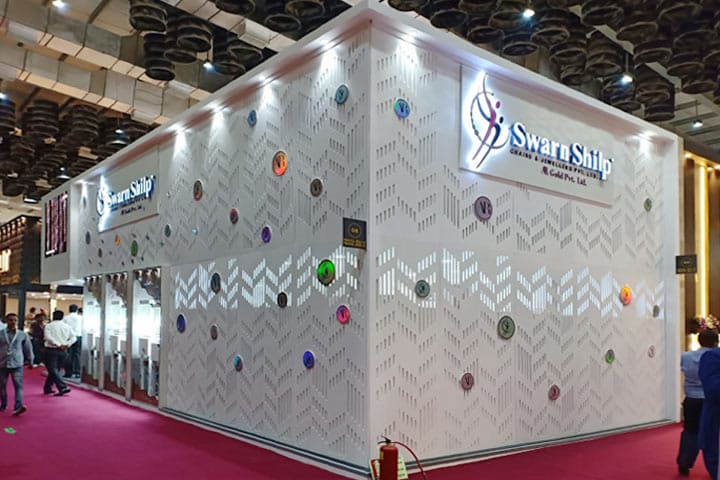
Closed or semi-closed booths introduce defined entry points and controlled spaces.
They may include:
- Partial walls or partitions
- Enclosed meeting areas
- Structured pathways
- Private discussion zones
Where Closed Booths Work Well
Closed designs are effective when your objective is to:
- Have in-depth conversations
- Engage with serious prospects
- Maintain privacy during discussions
- Position your brand as premium or specialized
They are often preferred by brands that:
- Deal with high-value transactions
- Require detailed product explanations
- Want to filter casual visitors
The Limitation of Closed Booths
Closed booths can sometimes feel less approachable.
If not designed carefully, they may:
- Reduce walk-ins
- Create hesitation for first-time visitors
- Limit visibility from a distance
This can impact overall footfall, especially in highly competitive exhibition environments.
The Real Question Is Not Open or Closed
Most brands approach this as a binary choice.
Open or closed.
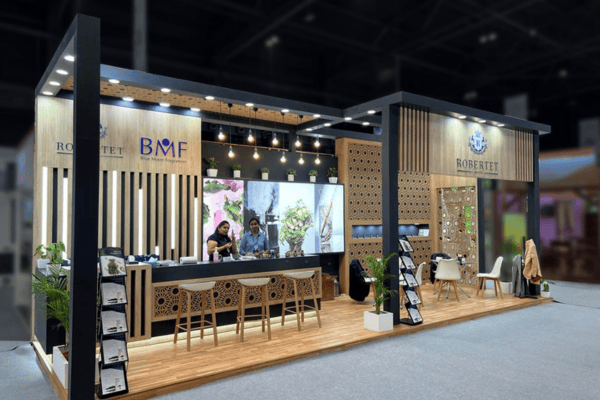
But in practice, the most effective B2B booths are a combination of both.
They balance accessibility with control.
They allow entry, but guide experience.
The Hybrid Approach That Works Best
An Open Front for Discovery
The outer section remains open and inviting.
This area:
- Attracts attention
- Encourages walk-ins
- Allows quick introductions
A Structured Inner Space for Conversations
Inside, the booth transitions into more controlled zones.
This includes:
- Meeting areas
- Product demonstration spaces
- Discussion zones
This structure naturally filters visitors.
Only those with genuine interest move deeper into the booth.
Designing Based on Intent, Not Trend
Instead of asking which design is better, the better question is:
What kind of interaction are you aiming for?
If your goal is:
- Awareness and visibility, lean towards open layouts
- Focused discussions and conversions, incorporate closed elements
The design should reflect your business objective, not just industry trends.
How Visitor Psychology Plays a Role
Open spaces feel:
- Welcoming
- Easy to enter
- Low commitment
Closed spaces feel:
- Intentional
- Exclusive
- More serious
In B2B exhibitions, both emotions are important.
You want to make it easy for people to approach, but also create an environment where meaningful conversations can happen.
Common Mistakes to Avoid
Many booths fail not because of the format, but because of execution.
Some common issues include:
- Completely open layouts with no conversation zones
- Fully closed booths that feel intimidating
- Poor transition between entry and interaction spaces
- Lack of clarity in movement and flow
Design is not just about structure. It is about how people experience that structure.
Final Thoughts
Open vs closed is not about choosing one over the other.
It is about understanding how each influences behavior.
The most effective B2B exhibition booths:
- Invite visitors in
- Guide them through the space
- Create room for meaningful conversations
When design aligns with intent, the booth stops being just a display.
It becomes a space where the right people walk in, stay longer, and engage with purpose.