Sustainability is a core theme in the energy sector, but communicating it within an exhibition environment requires a different approach from corporate reports or digital campaigns.
At trade shows, visitors do not engage with long-form narratives. They evaluate quickly, often within minutes, and form impressions based on what is visible, structured, and easy to understand.
For energy companies, this creates a specific challenge. Sustainability is often complex, technical, and long-term, while exhibitions demand clarity and immediacy.
This makes it essential to translate sustainability into clear, spatial, and experiential communication.
This article explores how energy companies can communicate sustainability effectively through exhibition booth design.
Understand What Energy Sector Visitors Are Evaluating
In energy and infrastructure exhibitions, visitors are not just looking for intent. They are evaluating credibility.
- Alignment with global sustainability goals
- Practical implementation of energy-efficient solutions
- Scale and feasibility of projects
- Long-term environmental impact
As a result, sustainability communication must go beyond messaging and reflect real capability and execution.
Shift from Messaging to Measurable Communication
Generic sustainability claims are less effective in this sector. Visitors respond better to measurable and specific communication.
- Quantifiable impact such as emission reduction or energy savings
- Real project outcomes instead of theoretical benefits
- Timelines and scale of implementation
Presenting sustainability in measurable terms helps position it as an operational reality rather than a brand statement.
Use the Booth Itself as a Demonstration
In energy-focused exhibitions, the booth can act as a live example of sustainable thinking.
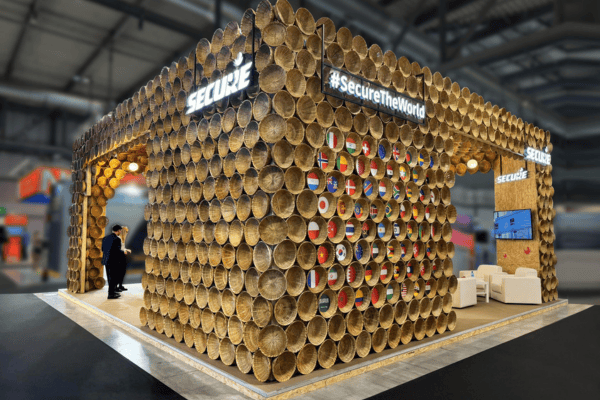
- Modular structures designed for reuse
- Efficient use of materials and reduced waste
- Integration of energy-efficient lighting and systems
When the booth itself reflects these principles, it reinforces the message without additional explanation.
Communicate Systems, Not Just Products
Energy companies often operate at a systems level rather than a single product level. Booth design should reflect this.
- Showing how different solutions connect
- Visualizing energy flows, networks, or processes
- Explaining how components contribute to larger outcomes
This helps visitors understand not just what the company offers, but how it fits into broader sustainability goals.
Structure Information for Quick Interpretation
Technical depth is important, but it needs to be structured for quick understanding.
- Layering information from simple to detailed
- Using diagrams instead of dense text
- Highlighting key takeaways clearly
A visitor should be able to grasp the core message within a few seconds and then explore further if interested.
Align Visual Language with Sustainability
Visual design plays a role in how sustainability is perceived. It is not just about green colors or symbols.
- Clean and uncluttered layouts
- Consistent material usage
- Visual clarity reflecting efficiency and precision
The overall design should communicate discipline and intentionality.
Integrate Digital Tools for Depth Without Clutter
Energy solutions often require detailed explanation, which can be difficult to present physically.
- Interactive screens for system walkthroughs
- Data visualizations showing performance metrics
- Digital access to reports and technical documentation
This allows the physical space to remain clear while still offering detailed information.
Ensure Consistency Between Message and Execution
Inconsistency is quickly noticed in this sector. If sustainability is highlighted but not reflected in execution, credibility drops.
- Design and material choices
- Messaging and data presented
- Staff communication and understanding
When all elements align, the message feels more reliable.
Support Technical and Strategic Conversations
Exhibitions in the energy sector often lead to detailed discussions rather than quick decisions.
- Spaces for focused conversations
- Access to deeper technical information
- Discussions around implementation and partnerships
This helps move interactions from awareness to consideration.
Think Beyond the Event
Sustainability is long-term by nature. Exhibition communication should reflect this.
- Clear next steps for engagement
- Access to extended information
- Connection to ongoing projects
The goal is to position the booth as a starting point for a longer conversation.
Evaluate Communication Effectiveness
Post-event evaluation helps refine the approach.
- Types of questions visitors asked
- Engagement with technical content
- Quality of follow-up discussions
These insights guide improvements for future exhibitions.
Closing Thoughts
Communicating sustainability in exhibition booth design for the energy sector requires clarity, structure, and credibility.
When sustainability is expressed through measurable data, spatial design, and consistent execution, it becomes easier for visitors to understand and evaluate.
In a sector where decisions are driven by long-term impact and technical confidence, this approach helps create exhibition spaces that are both informative and aligned with how stakeholders think and decide.