However, the way it is often executed can feel surface-level. In many cases, sustainability gets translated into visible elements like green walls or eco-friendly messaging. While these efforts come from the right intent, they do not always translate into a cohesive or meaningful booth experience.
For B2B brands, especially in industrial and technical sectors, sustainability works best when it feels integrated rather than highlighted.
It is less about what you add, and more about how thoughtfully the entire space is designed.
Moving Towards Natural Design, Not Just Sustainable Claims
The shift that is happening today is subtle but important.
Brands are moving away from “eco-looking” booths to naturally designed environments.
This means:
- Materials that feel authentic, not decorative
- Spaces that are breathable and open
- Design that reduces excess instead of adding layers
The idea is not to showcase sustainability. It is to make it invisible but felt.
When a booth feels calm, balanced, and intentional, it automatically communicates a more evolved brand.
Materiality That Feels Real
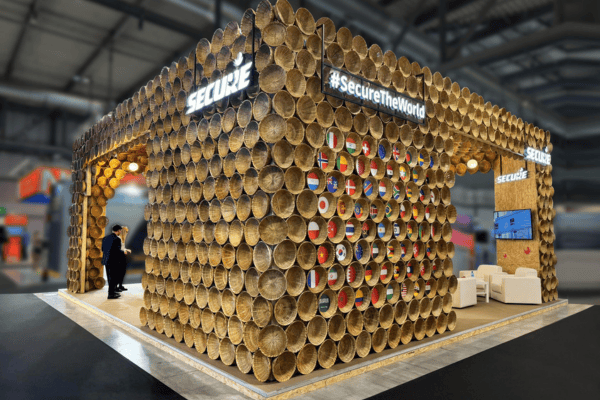
One of the strongest ways to bring sustainability into booth design is through material choices that feel natural.
This includes:
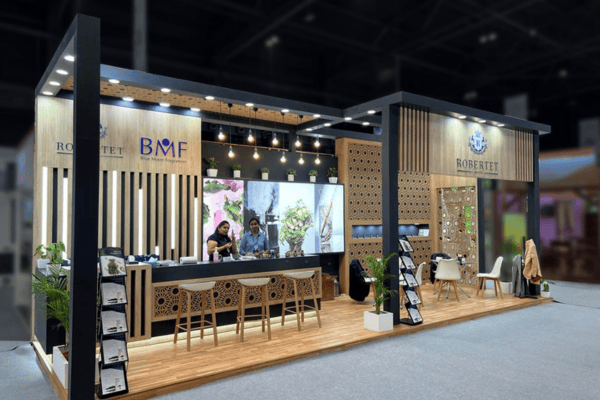
- Wood finishes that are not over-polished
- Textures that retain their raw character
- Fabrics and surfaces that do not feel overly manufactured
Instead of high-gloss laminates and heavy artificial finishes, brands are opting for materials that create warmth and authenticity.
For visitors, especially decision-makers, this changes perception instantly.
The space feels less like a temporary setup and more like an extension of a real business environment.
Designing With Less Noise
Many booths try to capture attention by adding more elements. More graphics, more colors, more messaging. Sustainable thinking often leads to the opposite approach.
It focuses on reducing visual noise.
This results in:
- Cleaner layouts
- More breathing space
- Better focus on key elements
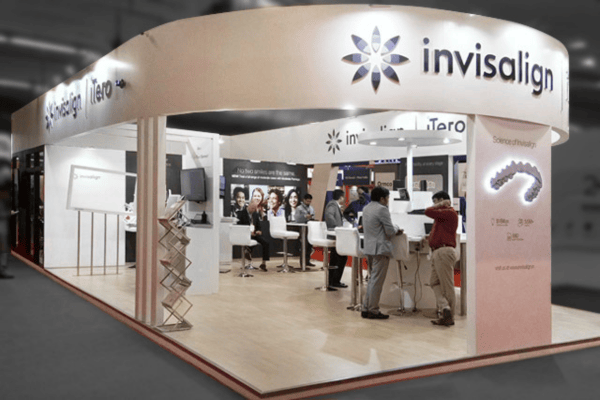
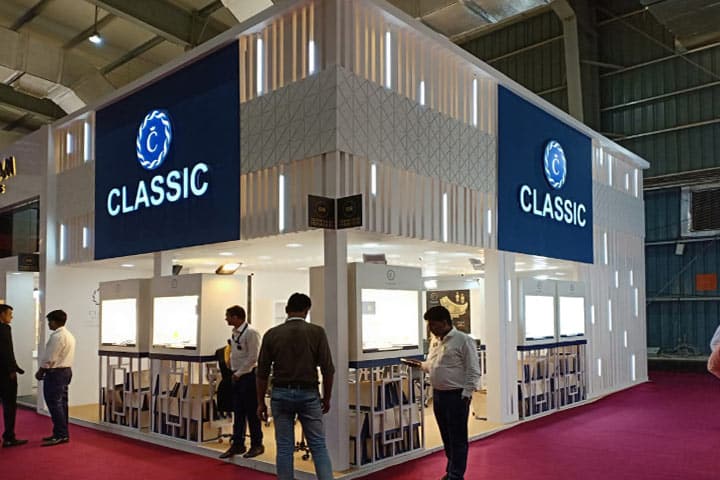
In crowded exhibitions, a booth that feels calm and uncluttered stands out more than one that is trying too hard.
Light as a Design Element
Lighting plays a crucial role in creating a natural booth experience.
Instead of harsh, overly bright lighting, brands are moving towards:
- Soft, diffused lighting
- Warm tones
- Highlighted zones instead of uniform brightness
This creates a more comfortable environment for conversations.
It also reduces the fatigue that visitors often experience while walking through multiple booths.
Creating Human-Centric Spaces
Sustainability is not only about materials. It is also about how people experience the space.
Natural booth designs focus on:
- Comfortable interaction areas
- Open layouts that invite entry
- Clear movement flow
Instead of designing around products alone, the focus shifts to how people move, pause, and engage within the booth.
This leads to better conversations and longer interactions.
Aligning Design With Brand Reality
One of the biggest gaps in exhibition design is the disconnect between the booth and the actual brand.
A highly artificial or overly designed booth can feel impressive, but it often lacks authenticity.
Natural and sustainable design brings the booth closer to how the brand operates in reality.
For industrial and B2B companies, this alignment is important. Buyers are not just impressed by aesthetics. They are looking for consistency and credibility.
Subtle Storytelling Through Design
Instead of explicitly talking about sustainability, the booth itself can communicate it.
Through:
- Thoughtful use of space
- Material choices
- Balanced design
Visitors may not consciously notice these elements, but they feel the difference. The experience becomes more grounded and less overwhelming. And in B2B environments, where decisions are based on trust, this matters more than visual spectacle.
Why This Approach Works Better for B2B Brands
B2B exhibitions are not about impulse decisions.
They are about:
- Understanding
- Evaluation
- Relationship building
A natural, well-balanced booth creates the right environment for these interactions. It allows visitors to focus on the conversation rather than being distracted by the setup.
It also positions the brand as mature, thoughtful, and confident.
Final Thoughts
Sustainability in trade fair booth design is evolving.
It is moving from visible expressions to more integrated experiences.
For B2B brands, the goal is not to prove that the booth is sustainable. It is to design a space that feels honest, intentional, and aligned with the brand.
When done right, sustainability does not stand out as a feature. It becomes part of the overall experience that visitors remember long after the exhibition ends.